White Label App vs. Shared App: Which is Right for Your Tourism Destination?

Updated: Jan 28
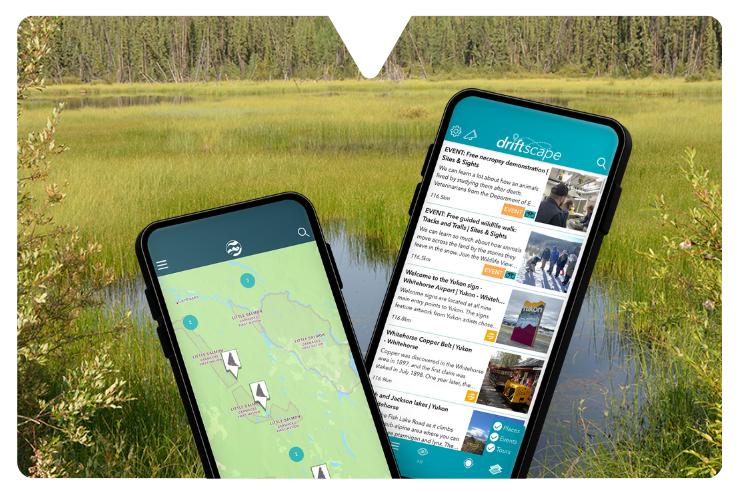
As tourism professionals, DMOs, BIAs, CVBs and cultural sites, you are constantly seeking the best digital tools to engage visitors and enhance their experience. Often, the choice boils down to a white label app vs. shared app solution. Understanding the nuances between these two models is crucial for making an informed decision that empowers your destination and delivers a captivating immersive travel experience. Let’s break down the advantages and drawbacks of each to help you choose wisely.
Understanding the Landscape: What is a White Label App?
A white label app is essentially a pre-built mobile application created by a third-party provider, which you then brand as your own. It appears in app stores under your name and logo, giving the appearance of a custom-developed solution.
Tailored Branding & Faster Deployment (vs. Custom)
The primary advantage of a white label app is its ability to be tailored to your specific brand guidelines. You get the look and feel you desire with your preferred features integrated. Plus, since providers use a template, deployment is faster than building a completely custom app from scratch. This allows you to get your branded digital visitor guide to market relatively quickly.
The Hidden Costs of Development, Maintenance & Marketing
While seemingly faster, opting for a white label app comes with significant considerations. Development costs alone can start from $10,000; that is just for one platform. You will pay double if you want both iOS and Android. Beyond development, you are solely responsible for ongoing app store listing fees, feature updates, bug fixes, and general maintenance.
More critically, you bear the entire burden of marketing your standalone app to achieve user downloads. Visitors often hesitate to download a new, unique tourism app for every single destination they visit. This leads to "app resistance" and lower adoption rates among travelers.
Key Takeaway: While white label apps offer high brand control, the total cost of ownership includes hidden maintenance fees and the difficult task of convincing visitors to download a single-use app.
The Power of Partnership: What is a Shared App?
A shared app hosts content from numerous destinations within a single, established platform. Driftscape operates on this shared app model, bringing a unique set of benefits for tourism organizations focused on smart tourism tools.
Boosting User Downloads & Collaborative Marketing
One of the most compelling advantages of a shared app like Driftscape is the built-in audience. By being part of a digital tourism platform that already hosts stories from multiple destinations, you gain increased user awareness. Visitors exploring one region within the app are highly likely to stumble upon your sites and stories too.
Providers like Driftscape also offer co-marketing efforts. We actively enhance the app with new features to keep explorers engaged. This fosters greater community engagement across destinations without you needing to shoulder the entire marketing heavy lifting.
Feature-Rich Experiences with No Maintenance Burden
A developer focused on a single, shared platform can dedicate more resources to creating cutting-edge features. Driftscape offers an extensive list of tools for visitors. These include self-guided tour app functionality, audio tours, interactive maps, and immersive travel experiences like augmented reality.
Feature Comparison | White Label App | Shared App (Driftscape) |
Initial Cost | High ($10k - $50k+) | Low (Subscription-based) |
Maintenance | Client Responsibility | Included |
User Base | Starts at Zero | Existing Global Audience |
AR/VR Features | Extra Development Cost | Built-in & Ready |
Making the Right Choice: Which App Model Suits Your Tourism Goals?
The decision between a white label app vs. shared app ultimately depends on your destination's specific priorities and budget.
Prioritizing Brand Control vs. Broader Reach
If absolute, pixel-perfect branding control is your non-negotiable priority, a white label app might seem appealing. However, if your goal is to maximize visitor engagement and benefit from a larger user base, a shared digital tourism platform offers significant advantages. While shared platforms may not allow every custom font, Driftscape offers extensive branding options. These include custom map markers, a personalized menu, and a branded interactive map for your website.
Optimizing for Visitor Engagement and Local Economic Impact
Consider which model best helps you achieve core tourism goals. A shared platform supports economic growth by connecting visitors to local businesses. By facilitating local exploration through curated heritage tours, a shared app drives measurable impact. Organizations like Destination Canada emphasize the importance of storytelling in tourism, and a shared platform provides the perfect stage for those narratives.
Your Strategic Decision
As digital tourism solutions continue to evolve, making an informed choice between a white label app vs. shared app is paramount for DMOs, BIAs, CVBs and cultural sites. While a white label app offers branding control, a shared digital tourism platform like Driftscape provides unparalleled advantages in cost-efficiency, user acquisition, and feature richness. Our goal is to empower destinations to make informed decisions aligned with their unique requirements.
Pro Tip: To avoid "app fatigue," look for solutions that offer web-based versions of your map so visitors can engage with your content without an immediate download.
Frequently Asked Questions
Q: What is the main difference between a white label app and a shared app?
A: A white label app is a standalone product branded specifically for one client, while a shared app hosts multiple destinations and organizations within a single platform. White label apps offer more branding control but require the owner to handle all maintenance and marketing. Shared apps provide a built-in audience and shared maintenance costs.
Q: Is a shared tourism app cheaper than a white label app?
A: Generally, yes. Shared apps operate on a subscription model where the costs of development and maintenance are spread across many partners. White label apps require significant upfront investment for development on both iOS and Android, plus ongoing fees for updates and app store management.
Q: How do visitors find my destination on a shared app?
A: In a shared app like Driftscape, visitors find you through location-based notifications, interactive maps, and "suggested" content. If a traveler is using the app in a neighboring town, they can easily discover your site. This cross-pollination is a major benefit of the shared model.
Q: Can I still use my own branding on a shared app?
A: Yes. While you share the platform, you can typically customize your presence with your logo, specific brand colors, custom map markers, and unique storytelling content. This ensures your destination's identity remains distinct.
Q: Does a shared app support Augmented Reality (AR)?
A: Many shared platforms, including Driftscape, have AR features built-in. This allows DMOs, BIAs, CVBs and cultural sites to offer immersive experiences without paying for custom AR development, which is often prohibitively expensive for standalone apps.
Q: What is app fatigue in tourism?
A: App fatigue occurs when travelers are reluctant to download a new app for every city or museum they visit. Using a shared app helps overcome this because the visitor only needs to download one platform to access hundreds of different destinations.
Q: Which option is better for a small BIA or local museum?
A: A shared app is usually the better choice for smaller organizations. It provides access to high-end features like audio tours and offline maps at a fraction of the cost of developing a private app.

Ready to explore the best digital path for your destination's success?


Comments